
10 Common Boat Repair Issues and How to Prevent Them
This article delves into common boat repair issues which can save boat owners both time and money. By understanding these common problems, you can take preventative measures to prolong the lifespan of your vessel. The world of boating is vast and captivating, yet it comes with its own set of challenges. Keeping your boat in premium condition not only ensures safety but also augments your boating pleasure. Let's explore some of the prevalent repair issues faced by boat owners, along with strategies to avoid them. Working with a qualified boat repair service gives owners peace of mind that small problems will not turn into major setbacks.
1. Engine Troubles
Engine problems are one of the most common and costly challenges boat owners face. Because most modern vessels rely on motorized propulsion, mechanical reliability is essential for both safety and enjoyment. Routine inspections and access to a dependable boat repair help prevent breakdowns that could leave you stranded.
Diagnosing engine trouble begins with recognizing unusual sounds, vibration or sluggish performance. Fuel issues, ignition faults and worn mechanical parts are the usual culprits. Addressing these problems early keeps repair costs manageable and avoids major mechanical failures that could compromise your boating season.
According to Market.us, motorized boats led the leisure boat market in 2024, accounting for 87.6% of the market. This statistic highlights how important engines are to today’s boating experience and why engine care should always be a top maintenance priority.
Regular oil changes, cooling system inspections and fuel system checks all help preserve performance. When handled by a professional boat repair service, these procedures extend engine lifespan and reduce the chance of unexpected downtime.
2. Electrical System Failures
Electrical systems power navigation equipment, lighting, communication devices and safety controls. When wiring or batteries fail, essential systems may become unreliable. Working with a certified boat repair service ensures these complex systems are tested properly and repaired according to marine standards.
Battery maintenance is especially important. Corrosion on terminals, low voltage and improper storage can shorten battery life and lead to starting failures. Keeping batteries charged and protected during off-season storage greatly improves long-term reliability.
Wiring inspections should be performed regularly, especially in saltwater environments. Marine-grade wiring resists corrosion far better than automotive wiring, and replacing aging cables prevents shorts and voltage drops that can damage onboard electronics.
Preventing corrosion through proper sealing, dielectric grease and moisture control keeps electrical connections stable. These small steps dramatically reduce long-term electrical failures.
3. Hull Damage
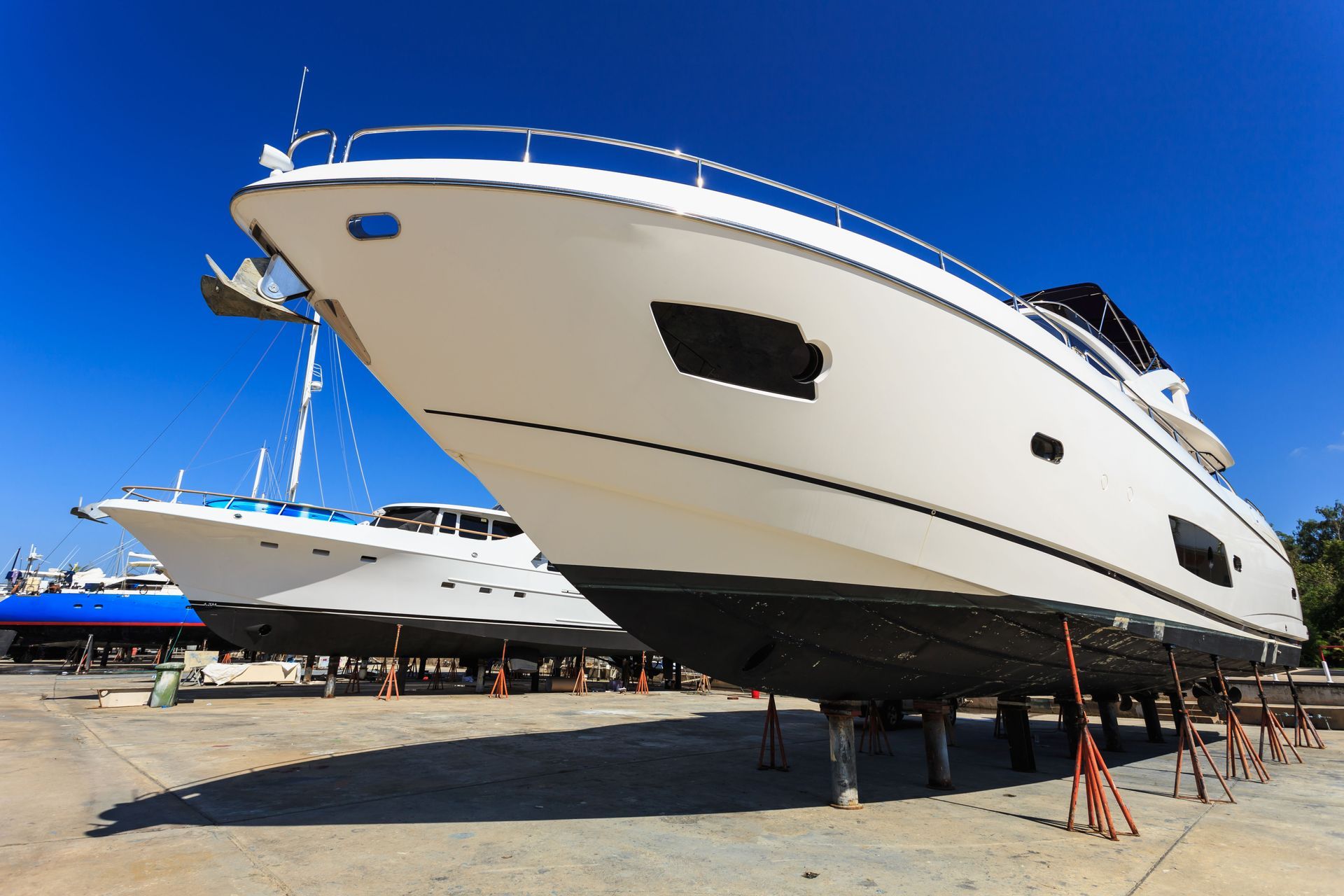
The hull is the foundation of your boat, and any damage can compromise safety, efficiency and value. Impacts with debris, submerged obstacles and docks are common causes of hull damage. Sun exposure and water intrusion also weaken hull materials over time.
Routine visual inspections can reveal cracks, blisters or soft spots before they become structural problems. Professional evaluations performed by a boat repair service can identify hidden damage that is not visible on the surface.
Repair methods vary by hull material. Fiberglass may require resin and gel coat restoration, while aluminum hulls need welding and corrosion treatment. Applying the correct technique ensures repairs restore strength without adding unnecessary weight.
Protective coatings and regular cleaning also prevent hull degradation. By removing salt buildup and algae, you reduce long-term erosion and keep the vessel performing efficiently.
4. Steering and Control Systems
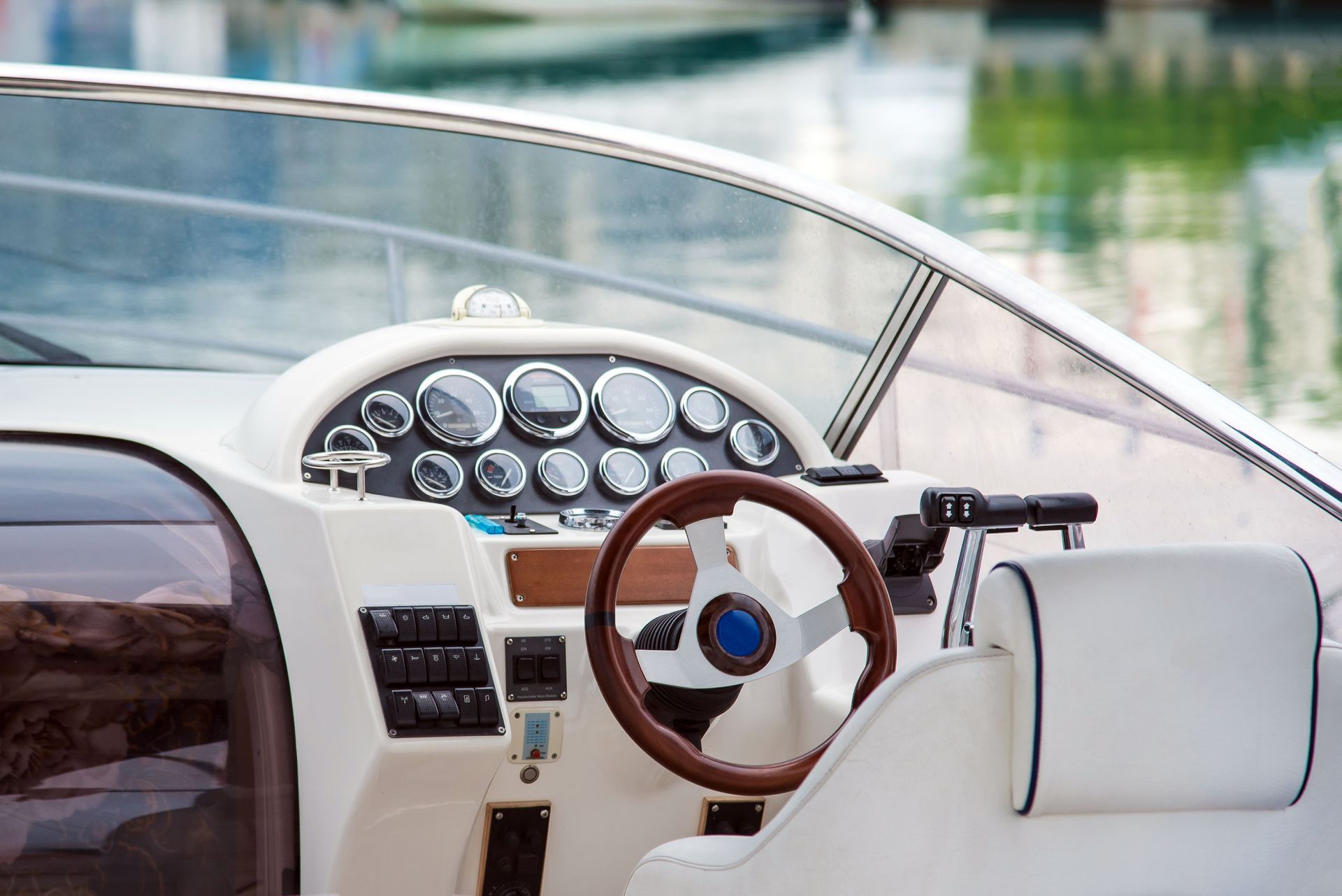
Steering failures can be extremely dangerous on the water. Hydraulic leaks, worn cables or loose linkages can make the boat difficult to maneuver. These systems should be inspected annually or whenever steering feels stiff or inconsistent.
Lubricating steering components prevents corrosion and keeps movement smooth. Any resistance or delay in response should be addressed immediately before it leads to loss of control.
Modern steering systems integrate mechanical and electronic components, making professional diagnostics especially important. A certified boat repair service has the tools to test alignment and hydraulic pressure properly.
Regular system checks ensure responsive handling, which is especially critical when navigating crowded marinas or rough waters.
5. Cooling System Problems
Marine engines rely on water-based cooling systems that are vulnerable to debris, corrosion and mineral buildup. Blocked intake lines or worn impellers can cause overheating and serious engine damage.
Flushing the cooling system with fresh water after every outing, particularly in saltwater, removes harmful residue. This simple practice significantly extends component life.
Heat exchangers and hoses should also be inspected regularly for leaks and wear. Replacing small parts early prevents much larger engine failures later.
A professional boat repair service can perform pressure tests and coolant flow inspections to verify that the entire cooling system is operating efficiently.
6. Fuel System Issues
Fuel contamination is a major cause of engine trouble. Water, dirt and degraded fuel clog filters and injectors, reducing performance and causing misfires.
Using fuel stabilizers and replacing filters on schedule prevents buildup inside the system. Tanks should also be checked for moisture intrusion.
Regular inspection of hoses and fittings prevents dangerous leaks. Fuel lines deteriorate over time, especially in hot and humid environments.
Having a boat repair service inspect and clean fuel components ensures smooth engine operation and improved fuel efficiency.
7. Propeller and Drive Damage
Propellers take constant abuse from sand, rocks and underwater debris. Bent or chipped blades reduce speed, increase fuel consumption and strain the engine.
Drive shafts and seals must also be checked for vibration or fluid leaks. Any imbalance can cause further damage to the drivetrain.
Minor propeller damage can often be repaired, while severe wear may require replacement. Proper alignment is critical for smooth operation.
A reliable boat repair can assess drive system wear and restore propulsion efficiency.
8. Interior and Deck Wear
Upholstery, flooring and deck surfaces are constantly exposed to sun, moisture and foot traffic. Over time, these materials crack, fade and deteriorate.
Cleaning and UV-protective treatments extend the life of vinyl and carpeted surfaces. Replacing worn seals prevents water from seeping into structural areas.
Deck hardware should also be checked for loose fittings that could cause leaks. Even small gaps allow moisture into the hull.
Interior maintenance keeps your boat looking good and prevents long-term structural damage.
9. Seasonal Maintenance Planning
Seasonal servicing helps prevent the most common failures. Spring commissioning prepares the boat for active use, while winterization protects it from freezing and corrosion.
Draining water lines, stabilizing fuel and protecting batteries are critical winter steps. These procedures preserve key systems until the next boating season.
Maintaining a service schedule helps owners stay ahead of wear and tear. Preventive maintenance always costs less than emergency repairs.
Partnering with a professional boat repair ensures nothing important is overlooked.
10. When to Seek Professional Help
While some maintenance tasks can be handled by owners, many systems require specialized tools and training. Electrical diagnostics, hull repairs and engine work are best left to trained technicians.
A certified boat repair provides accurate assessments and lasting solutions that protect your investment.
By combining routine owner care with expert servicing, you extend the life of your boat and enjoy safer, more reliable performance on the water.
Choosing the right boat repair is not just about fixing problems, but about preserving your vessel for years of dependable use.
Maintaining a boat is an ongoing responsibility that directly affects safety, performance and long-term value. By understanding common mechanical, electrical and structural issues, owners are better equipped to take preventative action before small problems become expensive repairs. Routine inspections, proper seasonal care and professional evaluations all work together to keep vessels running smoothly and reliably. When boat owners invest in proactive maintenance, they gain greater confidence on the water and enjoy more trouble-free time doing what they love most—boating. Contact our team at Tanglewild Marine & RV Repair LLC today and learn more about our boat services.

Share On: